
A bunch of our fumbling, confused knowledge of science comes because we kind of just guess what the truth is, going with whatever seems to make sense. That’s a little dumb, but it’s no one’s fault, and it’s easily fixed by just learning the truth later on.
On the other hand, some misconceptions have actual, specific, traceable origins. To fix those, we’d have to go back in time and sternly correct those responsible, with our fists. And to do that, we must first invent time travel, which requires even more science, so let’s get on the road to fixing science by clearing those misconceptions up for you.
We Think Neanderthals Are Hunched Because The Very First One We Found Was
Neanderthals, so says popular belief, were our idiot cousins, or an inferior species that we gloriously stamped out. We picture them as these dumb, hunchbacked creatures, gorilla-like counterparts to Homo sapiens. We triumphed as the superior humans because of our superior posture, which showed we had discipline and attended better schools.

But if you happen to have been browsing the latest in paleontological literature, you’ll see that, hey, Neanderthals had the same posture as humans. Better than some humans, the ones who text a lot. What gives?
The problem: the popular idea of a Neanderthal comes from the very first reconstruction of a Neanderthal, back in 1912. That reconstruction happened to have been based on a rather geriatric specimen — he might have been in his sixties, which was considered pretty elderly 60,000 years ago. The skeleton was called “La Chapelle-aux-Saints,” but today, we often just call it “The Old Man.” The Old Man was also missing a bunch of its teeth, so we’re lucky that anthropologists who saw him didn’t also insist all Neanderthals needed dentures.
Not only that, but La Chapelle-aux-Saints suffered from osteoarthritis, lordosis, Baastrup disease, and kneasels, only one of which is a made-up disease we slipped in there. All of these gave him an unrepresentatively bad posture even for someone his age. Plus, it turns out that the man behind the famous reconstruction, Marcellin Boule, deliberately depicted his Neanderthal with bad posture even beyond what the skeleton suggested, to conform to the existing narrative of a missing link between humans and apes.
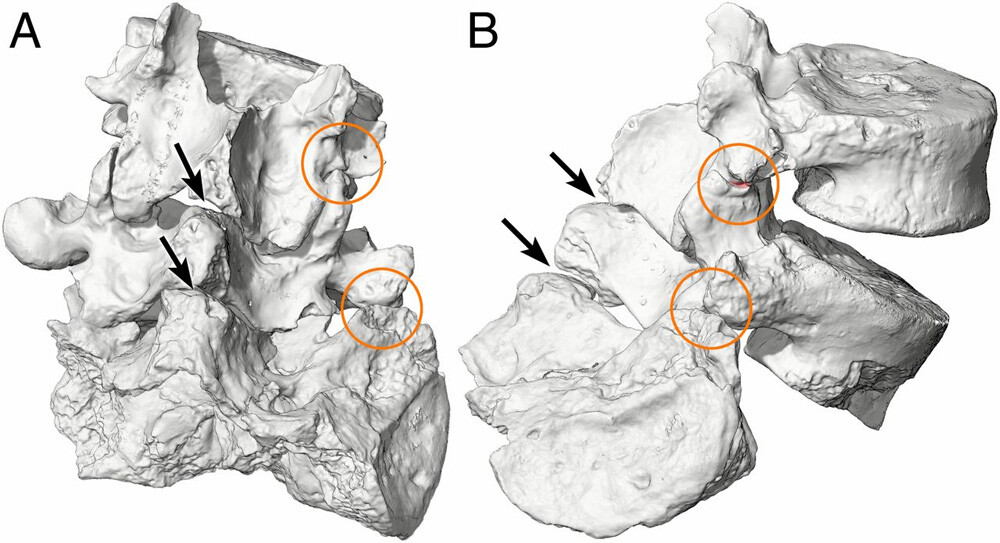
The latest evidence on this comes from new analysis of Neanderthal remains, but the basics of Boule’s reconstruction were debunked just a few decades after he made it, long before most of us were born. It’s kind of ridiculous that the image he created persisted. Neanderthals weren’t hunchbacks. Though even if they were, we’re sure they’d be capable of great heroics and would appreciate Paris cathedrals.


0 Comments