
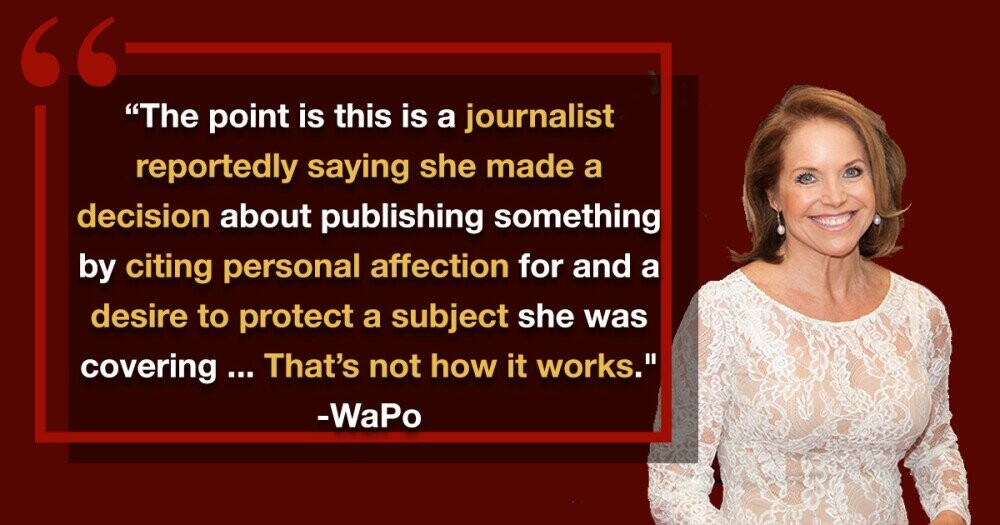
“Please let me know if you see anything that should be added, changed, tweaked,” the reporter allegedly wrote in an email to Allen, one of many included in a court filing by the Washington Football Team’s current owner, Dan Snyder, according to the LA Times. “Thanks, Mr. Editor, for that and the trust.” Ahh yes, because nothing says EIC qualifications like … running a football team?
While to those not versed in journalism, this may seem like NBD, in the world of reporting this type of blunder is a pretty BFD, largely deemed unethical by most newsrooms, who have specific policies on the scope in which writers can clarify information with their sources post-interview.
For example, although E.W. Scripps doesn’t permit reporters to send entire passages, their code of ethics states that interviewees can see quotes “the for purposes of accuracy and fairness,” according to Thomas Kent’s 2020 piece for the Poynter Institute entitled “Should journalists let sources look over stories before publication?”
Other outlets, like The Denver Post and BuzzFeed take different approaches, the article noted. The former only permits source approval “when a senior editor approves sharing passages from stories in the interest of accuracy.” The latter, however, is much more lax, their code of ethics stating that “sending a note to the subject that includes allegations or a description of what will be published is a reporting tool that also acts as a safeguard for the reporter.”
Despite these newsroom-to-newsroom ethical discrepancies, overall, seeking the stamp of approval on unpublished works is generally inadvisable for ethical reasons.
“Other than a quick call for an essential accuracy check, letting sources review content in any more detail is fraught with potential danger,” Kent explained. “Our right to quote material from sources as we heard it, in the fashion we want, is a precious one.”
3 Journalists Who Had Trash Fire Weeks
Source: Pinoy Daily News


0 Comments