
Tiny Inclusions In Brazilian Diamonds Reveal Oceans’ Worth Of Water Hidden In The Earth’s Mantle
Diamonds are mostly useless and only expensive because of propaganda and a global monopoly. But other than “sealing the deal” in an unconsummated relationship, there is one thing diamonds are useful for: revealing Earth’s geologic secrets.
Ironically, it’s the teeny-tiny inclusions within teeny-tiny diamonds that are valuable to science. The inclusion is made of ringwoodite, a mineral that forms in the presence of water. But only under the immense pressures and scrotum-vaporizing temperatures found 300-400 miles beneath the crust, in the transition zone between the upper and lower mantle.
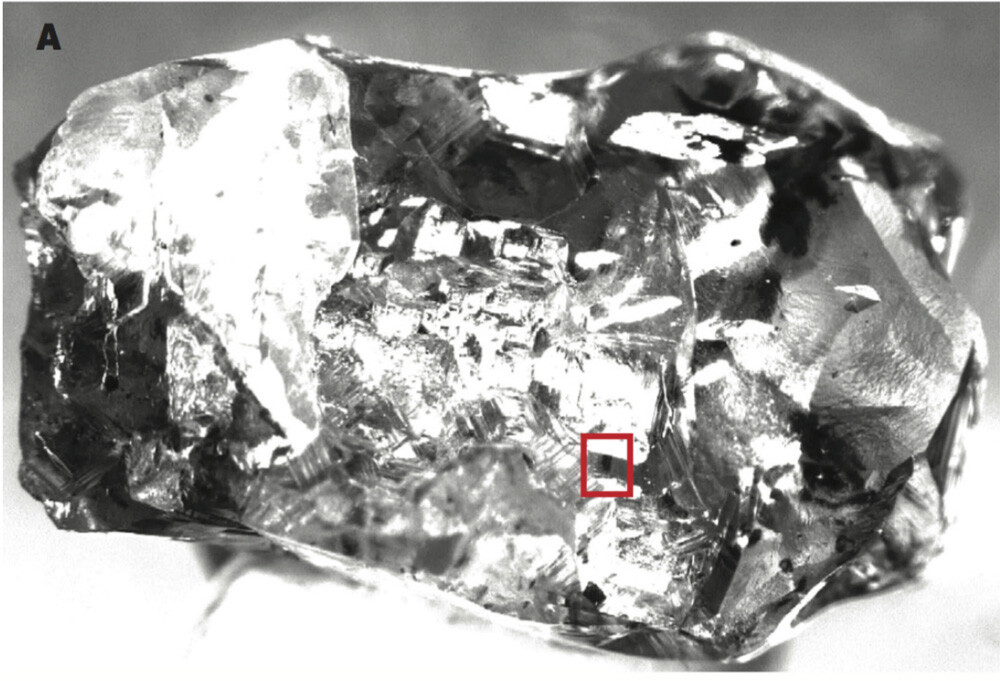
By analyzing the amount of hydrogen and oxygen in ringwoodite inclusions, scientists can infer how much water is locked away deep in the rocks. But natural ringwoodite specimens are scarce due to their balls-deep origin; a leper could count on one hand how many naturally formed ringwoodite specimens are available to science. Luckily, a ringwoodite-rich diamond, vomited onto the surface by a volcano, was discovered in Brazil. And it reveals that the mantle could hold more than twice as much water as the oceans.
But wait, there’s more! Another Brazilian diamond, excreted from Satan’s anus 600 miles down, held an inclusion of ferropericlase, one of the lower mantle’s main constituents. It suggests the lower mantle (which comprises half of Earth’s mass) could also hold as much water as Earth’s oceans. So that’s three oceans-masses so far, all carried into the depths by the movement of tectonic plates.

Combined with the water content in the crust and upper mantle, Earth’s bowels could hide four times as much water as all the oceans. So while some scientists contend that the planet’s water arrived via comets, it might have been hidden in the rocks this entire time, slowly seeping out over billions of years.
Or, we could just go with the much simpler creationist theory: the galaxy-spanning lizard snapped its fingers one day and made everything so.
Lice Reveals The Origin Of Clothing
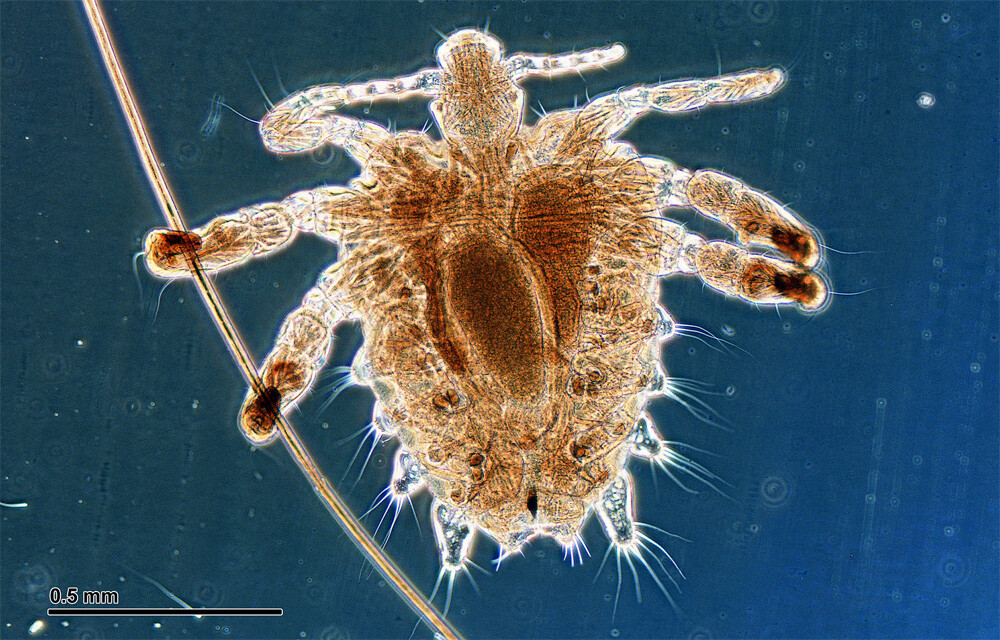
Like that one roommate who eats the leftovers you’ve been saving, drinks all your booze, and leaves wadded up Kleenex in your bathroom, body lice are opportunistic little profiteers that suck your blood and make love in your clothes. But since body lice are so specialized, they didn’t exist until humans started covering their shamefully jiggly bodies with clothes. Unfortunately, softer materials from bygone epochs don’t preserve well, unlike the sturdy leather assless chaps that will one day confound the cyborg archaeologists of the third millennium. But researchers can trace the origins of clothing by pinpointing when body lice diverged from head lice.


0 Comments