
But this doesn’t explain why reboots, adaptations, and even the first movies of a franchise also have polypoid buzzwords dangling from their colons. Neither does the current trend have much in common with the long tradition of adding long sentences to one-word titles. Unlike numbering movies, which only became a thing with Quatermass 2 in 1957, secondary titles have been fashionable in fiction since the Enlightenment era (Renaissance: Rebirth). With the printing press and public theatre creating both bigger audiences and more competition, authors started using subtitles as a mini-pitch of their story to lure in perusers.
This early apositive advertising ranged from genre descriptors like Middlemarch: A Study of Provincial Life to full-on dual titles like Frankenstein, or, The Modern Prometheus and Peter Pan, or, The Boy Who Wouldn’t Grow Up. Conversely, famed playwright and clever asshole William Shakespeare, after having been pressured by his producer to follow this trend, titled his 1602 comedy Twelfth Night, or What You Will in an attempt to create the most eye-catchingly insipid subtitle possible.

Paramount Pictures
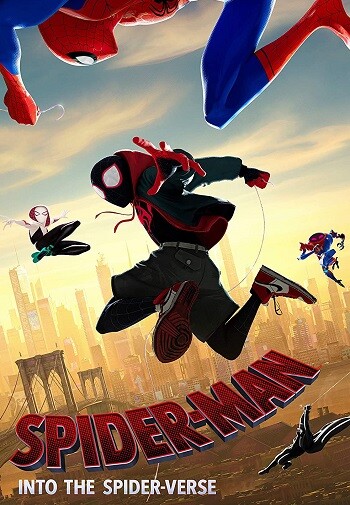
But unlike the mini-pitches of yore, modern movie subtitles are in no way meant to explain. In fact, the opposite seems to be more often the case. Movies like Resident Evil: Retribution or The Divergent Series: Allegiant have such pointless filler-word subtitles the only insight they offer is that the screenwriter got a word-of-the-day calendar for Christmas. But it’s in this inanity that we find the true reason for the subtitle dominion because studios don’t care how hard audiences roll their eyes at whatever Re-gurgitation they slap at the end of their main title. That bit isn’t for the audience; it’s for the spiders.
Sony Pictures


0 Comments